
Sustainable Future
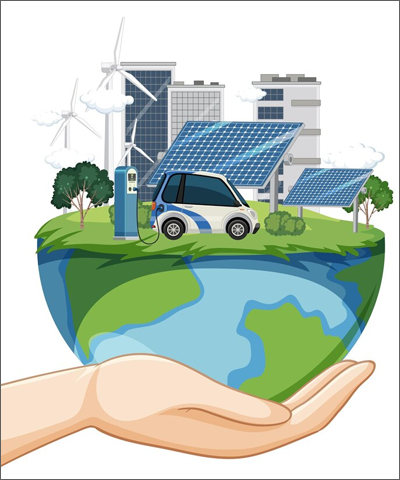
As we embark on the next phase of our journey, Santokh Singh & Co. is poised to expand reach and enhance offerings in renewable energy sector. Join us as continue innovate lead way toward a sustainable future.
A sustainable energy future involves transforming our global energy systems to meet increasing demands while minimizing environmental impact and supporting long-term economic stability. It’s a future where energy is primarily sourced from renewable and low-carbon technologies, reducing reliance on fossil fuels and decreasing greenhouse gas emissions. This transition is not only crucial for addressing climate change but also for ensuring reliable and accessible energy for all.
Key components of a sustainable energy future include:
Renewable Energy Expansion:
Solar, wind, hydro, and geothermal power will play a central role. These sources are clean, abundant, and increasingly cost-effective, thanks to technological advancements and economies of scale. By scaling up renewable energy, countries can diversify their energy mix and reduce vulnerability to fossil fuel price fluctuations.
Energy Efficiency:
Improving energy efficiency across industries, homes, and transportation reduces overall energy demand, making it easier to meet needs with cleaner sources. Advanced technologies in insulation, lighting, appliances, and smart grids help reduce waste and promote more efficient energy use.
Energy Storage Solutions:
Renewable energy sources like wind and solar are intermittent, meaning they don’t produce energy all the time. Efficient, large-scale energy storage systems—such as batteries, pumped hydro storage, and innovative storage materials—are essential for stabilizing supply and demand, making renewables more reliable.
Smart Grids and Decentralized Energy:
A smart, responsive grid enables efficient distribution, manages energy flow, and integrates diverse sources. Additionally, decentralized energy systems—such as rooftop solar panels and local microgrids—allow communities to generate their own power, reducing transmission losses and enhancing resilience against grid outages.
Electrification of Transportation and Industry:
Switching from fossil fuels to electricity for cars, buses, trains, and industrial processes further reduces emissions. Coupled with renewable energy, this electrification significantly reduces pollution and dependency on oil and gas.
Policy and International Collaboration:
Governments play a critical role in enabling sustainable energy through incentives, regulations, and international agreements. Policies supporting research, subsidies for renewables, and carbon taxes can drive adoption. Meanwhile, global partnerships, like the Paris Agreement, encourage countries to commit to shared sustainability goals.
Research and Innovation:
Continued investment in new technologies—such as advanced nuclear, hydrogen fuel cells, and carbon capture and storage—will be crucial. Innovations in materials, bioenergy, and artificial intelligence will also help optimize the energy systems of the future.
Transitioning to a sustainable energy future is a complex but achievable goal. It requires coordinated efforts across sectors, continuous investment in green technologies, and policies that promote both environmental and economic sustainability.